
Freight Fraud Starts With a Paper BOL: Why Digital Documents Are Your Best Defense

Freight fraud rarely begins with a dramatic event. It often begins with a document that appears ordinary.
A paper bill of lading can be copied, edited, misplaced, or presented by someone who is not authorized to handle the load. Once the document is separated from the original shipment record, it becomes difficult to establish who accepted the freight, when the handoff occurred, and whether the document was changed afterward.
That gap is used in double-brokering, carrier identity theft, and fictitious pickup schemes.
After 35 years around freight, the practical lesson is straightforward: the document must stay connected to the load, the parties, and the timeline from pickup through delivery.
Why paper BOLs remain vulnerable
A paper BOL is only as reliable as the last person who handled it. It may be printed in advance, completed by hand, scanned, faxed, photographed, emailed, or recreated from an earlier copy.
Each handoff creates another opportunity for:
- A carrier name to be replaced
- A pickup or delivery location to be changed
- Piece counts or weights to be altered
- A reference number to be copied
- A signature to be reused
- A document to be lost before a dispute is resolved
Paper does not provide a dependable record of when information was entered or who changed it. A printed signature may show approval, but it does not establish whether the underlying document was altered before or after signing.
Guidance from the National Motor Freight Traffic Association identifies inconsistent carrier information, altered details, and suspicious document formatting as warning signs. Those signs are difficult to investigate when the original document is unavailable.
The problem is not that every paper BOL is fraudulent. The problem is that paper makes fraudulent activity easier to conceal.
The fraud schemes that exploit document gaps
Double-brokering
In a double-brokering scheme, a load is accepted by one party and then transferred to another carrier without proper authorization or disclosure.
The BOL may still look normal. It may show the right shipper, consignee, commodity, and destination. But the carrier handling the freight may not be the carrier that accepted the tender.
This creates problems for every party:
- The shipper may release cargo to an unauthorized carrier.
- The broker may lose control of the load record.
- The original carrier may face payment or liability disputes.
- The actual driver may receive incomplete or inaccurate information.
- The receiver may not know who is responsible for the shipment.
A paper document can hide the chain of responsibility because the document usually records the load details, not the full history of the transaction.
Carrier identity theft
Fraudsters may impersonate legitimate carriers by using copied operating details, logos, email addresses, or authority information.
A copied carrier identity can appear on a rate confirmation, dispatch sheet, or BOL. If the facility verifies only the paperwork in front of it, the fraudster may pass the first control point.
The Lancer Insurance guidance on cargo theft and BOL scams recommends checking carrier information against independent records rather than relying only on documents supplied by the caller or driver.
The important distinction is between verifying a document and verifying the party behind it.
Fictitious pickups
A fictitious pickup occurs when someone arrives at a shipper or warehouse using false information and collects freight without authorization.
The driver may have:
- A legitimate-looking truck
- A copied carrier name
- A false dispatch document
- A recreated BOL
- A reference number that appears correct
If the shipper cannot compare the pickup information with a trusted system record, the truck may be released before the discrepancy is discovered.
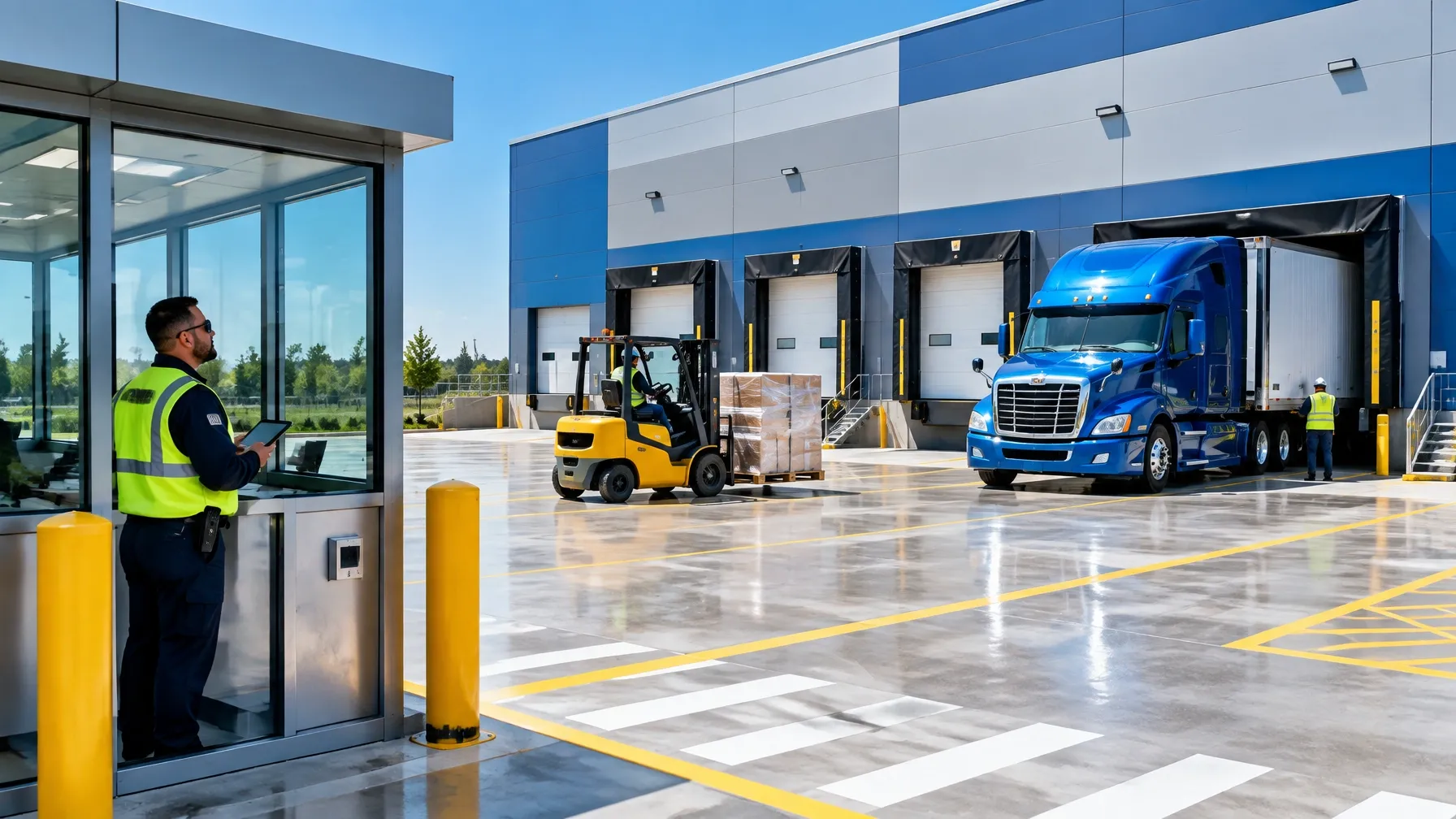
This is why pickup controls must verify more than a printed page. The facility should be able to confirm the carrier, driver, equipment, load reference, location, and authorization from the same record.
What a stronger digital record changes
A digital freight document is not valuable simply because it replaces paper. Its value comes from keeping the document connected to the transaction.
A stronger record should establish:
- Who created the load
- Which shipper, broker, carrier, driver, and receiver participated
- When each event occurred
- What information was entered at each stage
- Which party approved or signed the record
- Whether the document changed after an event was completed
This creates an audit trail rather than a single static file.
A properly controlled digital record can preserve original entries, record timestamps, restrict access by user role, and show the history of the load. When the record is designed to be tamper-evident or immutable, later changes cannot be quietly substituted for the original information.
That matters when a claim involves a missing pallet, an incorrect destination, an unauthorized carrier, or a disagreement over who accepted the freight.
The goal is not to make fraud impossible. No document system can do that by itself. The goal is to reduce the number of unverified steps and make discrepancies visible earlier.
Verification must happen before the truck is released
Digital documents are strongest when they support identity verification. A digital BOL that contains inaccurate party information is still inaccurate.
Before pickup, the responsible party should verify:
- Carrier legal name
- USDOT and MC numbers
- Operating authority
- Insurance information
- Contact information from an independent source
- Driver identity
- Tractor and trailer information
- Pickup location and load reference
- Commodity, quantity, and seal information
The Sovereign Insurance overview of BOL fraud emphasizes the need to compare BOL information with the actual transaction and to investigate inconsistencies rather than treating a document as proof by itself.
For carriers and brokers, identity checks should not stop at onboarding. Contact information can change, email accounts can be compromised, and familiar names can be reused in a new fraudulent transaction.
For shippers and receivers, the dock should have access to the authorized load record before releasing or accepting freight.
Timestamps establish the sequence
A dispute often comes down to sequence.
Was the seal recorded before loading or after? Was the carrier assigned before the pickup appointment? Did the driver arrive at the correct facility? Was the destination changed before or after the freight left the dock? Did the receiver sign for the full shipment or a shortage?
Paper documents provide limited answers. A timestamped digital record can connect each event to a user, location, document version, and signature.
That sequence is important for:
- Carrier and broker investigations
- Cargo claims
- Shortage and damage disputes
- Payment disputes
- Insurance documentation
- Law enforcement reports
- Internal compliance reviews
The Marsh guidance on electronic bills of lading describes the broader value of electronic records: improved control, access, and visibility across the document lifecycle.
What drivers, carriers, brokers, and facilities should look for
The best system is not necessarily the one with the most features. It is the one that closes the specific document and identity gaps that fraud depends on.
For drivers
Look for a system that:
- Shows the assigned load and verified pickup information
- Identifies the responsible broker, carrier, shipper, and receiver
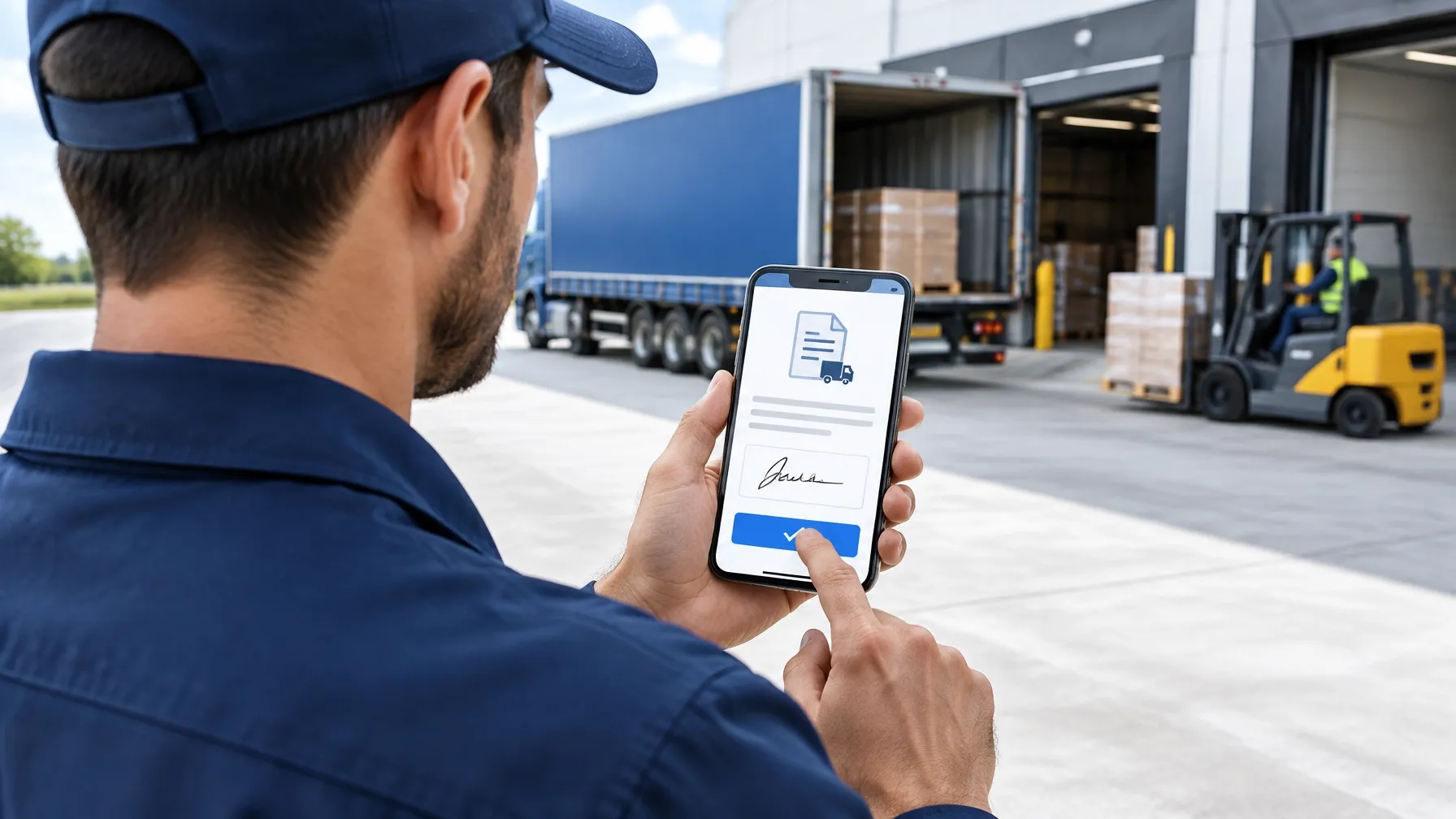
- Allows documents and signatures to be captured at the event
- Preserves the record without requiring repeated re-entry
- Makes the completed document available after delivery
The driver should not be expected to resolve conflicting instructions by comparing several paper copies.
For carriers and brokers
Look for:
- Verified carrier and user profiles
- Authority and safety information connected to the account
- Role-based access
- A complete load history
- Timestamps for assignments, pickups, signatures, and delivery
- Alerts or review steps for mismatched parties
- Records that cannot be silently replaced
The system should show who handled the load, not only what the load contained.
For shippers and receivers
Look for:
- A controlled release process
- Matching of the truck, driver, carrier, and load reference
- Digital records available at the dock
- A clear signature and exception process
- Permanent access to the completed load history
- Support for multiple facilities and authorized users
A facility should not have to choose between moving freight quickly and verifying who is taking possession of it.
The practical standard
A freight document should answer five questions without relying on memory or a loose stack of paperwork:
- What was the load?
- Who was authorized to handle it?
- Where did each handoff occur?
- When did each event happen?
- Has the record changed since it was completed?
That is the standard digital documentation should meet.
Docks2Doc is built around the principle that the document is the load. Its connected load history preserves participating companies, drivers, documents, timestamps, signatures, and transaction status in one record. The Docks2Doc platform also connects drivers, carriers, brokers, shippers, and receivers through separate access points while keeping the load history connected.
Digital documentation does not replace sound carrier verification, dock procedures, or employee judgment. It gives those controls a reliable record to work from.
Freight paperwork is finally off paper when the document is no longer an isolated page. It is a verified, time-stamped history of the load from authorization through delivery.